



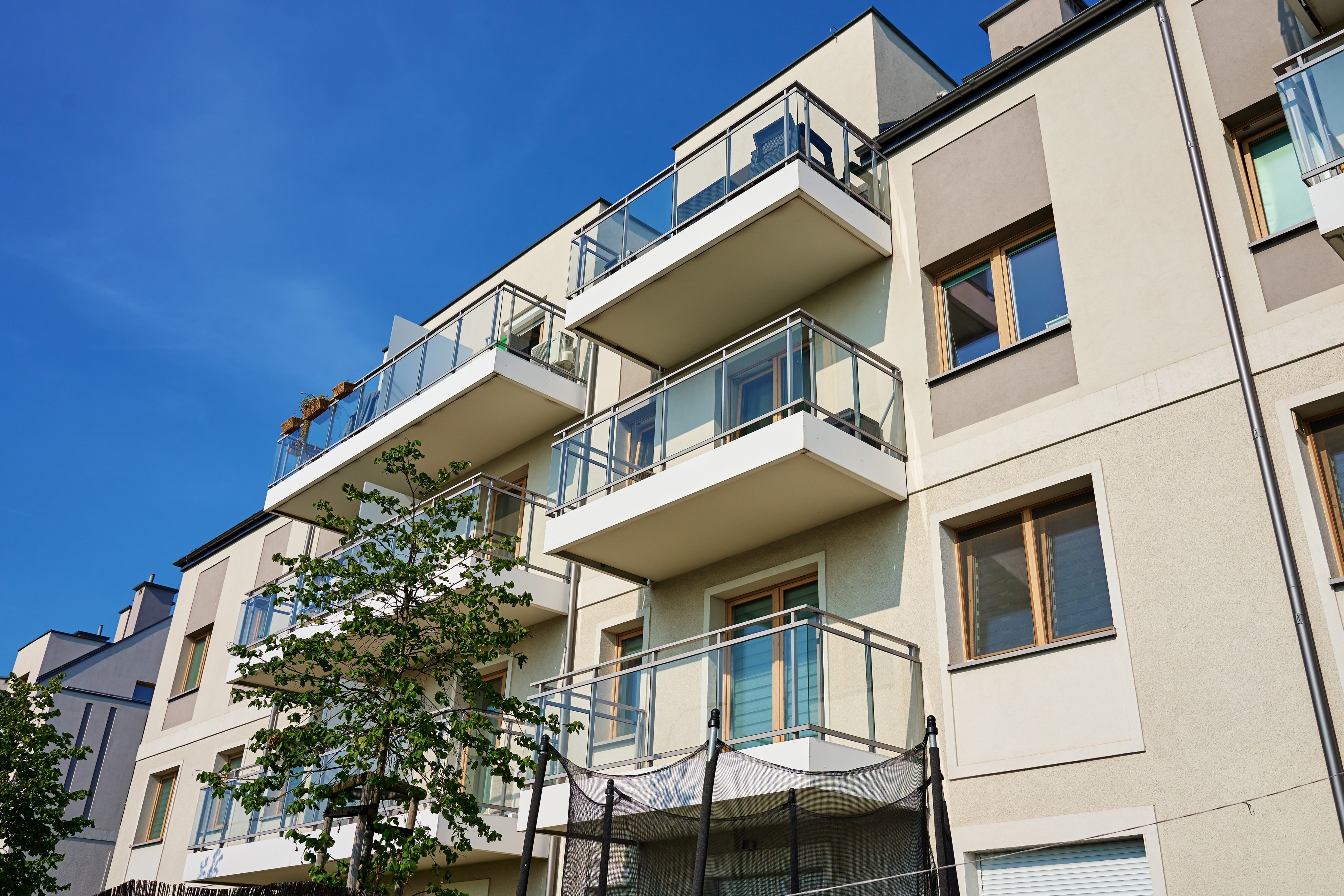
Selling a multi‑family property in New Jersey is fundamentally different from selling a single‑family home. You’re not just selling real estate — you’re selling income, operations, tenant relationships, opportunity, and risk. Multifamily properties often command premiums, which can give sellers a false sense of market position if they don’t understand how buyers actually evaluate these assets.
This guide focuses on the five areas that matter most if you want to protect value, attract serious buyers, and avoid unnecessary delays.
1. Tenants: Rights, Communication, and Control
Tenants are the single biggest variable in a multifamily transaction. Buyers inherit leases, obligations, and relationships — and they price uncertainty aggressively.
Before listing, review every lease in detail. Understand expiration dates, renewal clauses, rent‑control provisions, notice requirements, and access rules. New Jersey is a tenant‑protective state, and buyers will factor compliance risk into their offers. Communicating early with tenants about the sale process helps prevent resistance during showings and inspections, which is one of the most common causes of deal friction.
From a value standpoint, cooperative tenants and clean lease documentation reduce perceived risk, and risk directly affects price.
👉 Avoid additional closing delays and read 15 Ways to Avoid Closing Delays When Selling a Home in NJ
2. Valuation: Income Reality vs. Premium Expectations
Multifamily properties often sell at a premium, especially in strong rental markets — but that premium can mislead sellers.
Buyers do not value multifamily assets the same way homeowners value primary residences. Pricing is driven by comparable multifamily sales and income performance. Buyers analyze rent rolls, operating expenses, and how rents support debt service at current interest rates. If the numbers don’t work, buyers will either discount their offers or walk entirely.
A smart seller runs a buyer‑style underwriting model before listing. Understanding how an investor views cash flow, financing constraints, and risk tolerance allows you to price realistically and anticipate objections before they surface.
The National Association of REALTORS® consistently reports that small multifamily properties are evaluated primarily on income stability and operating risk rather than replacement cost or emotional appeal.
3. Disclosures & Documentation: More Than a Single‑Family Sale
Multifamily transactions require deeper diligence — and missing documentation is a leading cause of closing delays.
In addition to standard disclosures, landlords should prepare:
- A current, accurate rent roll
- An income and expense statement (even if informal)
- Copies of all leases and amendments
- Security deposit records
- Maintenance records for major systems (roof, boiler, HVAC, electrical)
- Any required municipal or county certifications (e.g., Essex County Green Card / CCO equivalents)
Just like single‑family sellers, multifamily owners are strongly encouraged to invest in pre‑listing inspections — often more so. Structural and mechanical transparency builds buyer confidence, reduces retrades, and speeds up underwriting.
👉 RightWay REALTOR® Tip: Many of the steps of preparing a multifamily home are similar to those of a single-family home. Learn more in How Do I Prepare My NJ Home for Sale.
4. Financing & Buyer Psychology
Financing determines who can buy your property — and at what price.
Vacancy rates, rent control, deferred maintenance, and documentation quality all influence loan eligibility. Poor records or unresolved issues limit financing options and shrink the buyer pool. Strong preparation expands it.
Buyers also underwrite future risk. If rents appear unstable or expenses are unclear, lenders may require additional reserves, higher down payments, or stricter terms — all of which affect the strength of the offer.
Understanding how buyers and lenders view your property allows you to structure smarter negotiations and qualify offers more effectively.
5. Preparation Is Leverage
Multifamily sellers who prepare thoroughly don’t just avoid delays — they gain leverage.
Clear tenant communication, complete disclosures, realistic valuation, and documented maintenance history remove uncertainty from the deal. The fewer unknowns buyers face, the stronger and cleaner their offers tend to be.
RightWay REALTOR® Tip: Multifamily sales reward sellers who think like operators and present their property the way an investor evaluates it — not the way a homeowner remembers it.
Final Thought
Selling a multi‑family home in New Jersey is less about timing the market and more about controlling risk. Landlords who prepare like professionals attract professional buyers — and that’s where the best outcomes live.
Just as buyers miss opportunities waiting for the perfect time to buy, sellers lose leverage waiting for the perfect time to sell. The strongest outcomes happen when timing and preparation align — not when headlines drive decisions.
If you’re considering selling and want help pressure-testing your timing, pricing, and preparation, download the RightWay NJ Seller Guide or book a consultation to build a strategy that fits your goals.
👉Curious about your home’s worth? Use our instant NJ home valuation tool.
👉Want more resources? Download the How to Sell Your NJ Home the RightWay guide.
👉Have questions? Book a consultation using the link HERE.
Check out this article next