



Why This Matters More in New Jersey Than Most States
New Jersey is one of the most tenant-protective states in the country. That doesn’t mean landlords can’t succeed — it means the margin for error is smaller. Many owners don’t fail because they intended to do something wrong, but because they misunderstood what they were legally responsible for, or underestimated the consequences of getting it wrong.
This guide breaks down the six core responsibilities every NJ landlord has, where owners most often slip up, and what it can cost when they do.
1. Habitability & Maintenance
Landlords are legally required to provide and maintain a habitable property. This goes far beyond cosmetic condition and includes heat, hot water, plumbing, electrical systems, structural integrity, pest control, and year-round safe living conditions.
Where landlords get this wrong is assuming that minor issues can wait or that tenants will tolerate delays. In New Jersey, unresolved habitability issues can quickly become legal leverage for tenants — including rent withholding, municipal complaints, or court defenses during eviction.
Deferred maintenance almost always costs more later, not just in repairs, but in lost rent and legal exposure.
RightWay Realtor Tip: If a tenant reports a habitability issue, document the complaint, your response, and the repair timeline immediately. Paper trails protect landlords.
2. Safety & Compliance
Beyond habitability, landlords must comply with state and municipal safety standards. This includes smoke and carbon monoxide detectors, fire extinguishers, egress requirements, lead-based paint disclosures, and periodic municipal inspections.
Owners often assume compliance is static — it isn’t. Local requirements change, inspection standards evolve, and older properties frequently fall out of compliance without obvious warning signs.
Failure here can delay leasing, block certificates of occupancy, or result in fines that compound quickly.
RightWay Realtor Tip: Replace safety equipment like-for-like. Some NJ townships do not allow switching from hardwired to battery-powered detectors.
👉Related Reading: Should I Hire a Property Manager? 5 Signs It’s Time to Get Help
3. Fiscal Management
Landlords are responsible for managing rental income as a business, not a side hobby. That includes tracking rent, expenses, security deposits, and maintaining proper accounting records.
Security deposits are a common failure point. NJ law requires deposits to be held in interest-bearing accounts and provides notice to tenants. Mismanaging deposits — even unintentionally — can result in penalties that exceed the deposit itself.
Poor financial tracking also masks underperformance until it’s too late to correct course.
RightWay Realtor Tip: Separate personal and rental finances. Clean books make audits, disputes, and tax filing dramatically easier.
4. Fair Housing & Leasing Practices
Landlords must comply with federal Fair Housing laws and New Jersey’s expanded protected classes. This governs advertising language, screening standards, voucher acceptance, and the treatment of applicants.
Many owners violate Fair Housing unintentionally — using the wrong phrasing in listings, applying inconsistent screening standards, or refusing voucher holders without understanding local requirements.
Violations here can result in fines, lawsuits, and permanent damage to an owner’s record.
RightWay Realtor Tip: Publish written tenant guidelines and apply them uniformly to every applicant.
5. Access & Tenant Rights
Once a lease is signed, the property is the tenant’s home. Landlords cannot enter at will. NJ law requires reasonable notice and a valid purpose for entry, except in emergencies.
Landlords often overstep here during maintenance, showings, or disputes, unintentionally giving tenants grounds for complaints or defenses in court.
Respecting access rules preserves authority — violating them undermines it.
RightWay Realtor Tip: Put entry procedures directly into your lease and follow them every time.
👉Related Reading: How Do I Get Quality Tenants in New Jersey?
6. Vacancy, Nonpayment & Eviction
Vacancy and nonpayment are operational realities, not moral failures. Landlords are responsible for responding promptly, consistently, and legally when rent isn’t paid.
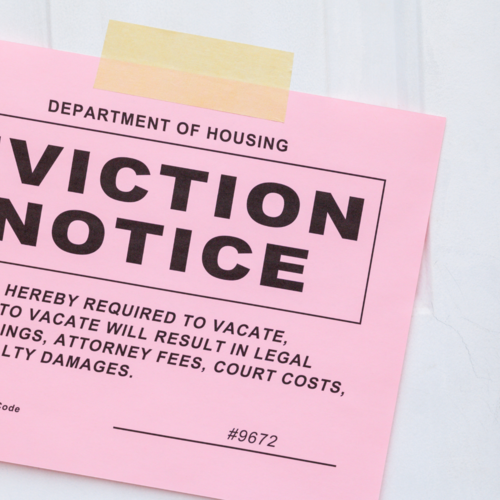
Where owners get hurt is by delaying action, being inconsistent with enforcement, or attempting self-help measures that violate tenant protections. In NJ, procedural mistakes can reset eviction timelines by months.
Handled correctly, enforcement protects cash flow. Handled poorly, it becomes expensive fast.
RightWay Realtor Tip: Missed deadlines cost time. If rent isn’t paid, act immediately and document everything.
👉 Related Reading: How Do I Handle Non-Paying Tenants? 5 Ways to Avoid a Costly NJ Eviction
Final Thought
Being a landlord in New Jersey isn’t just about collecting rent — it’s about managing risk.
Owners who understand their responsibilities upfront operate with confidence, authority, and leverage. Those who don’t often learn the hard way, after time, money, or control has already been lost.
👉Curious about hiring management? Book a consultation using the link HERE.
👉Want to know your asset's worth? Use our instant NJ home valuation tool.
Check out this article next