



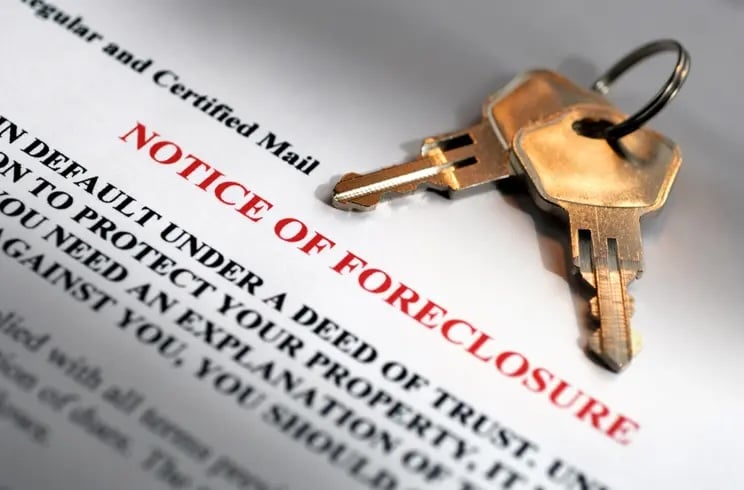
Foreclosure doesn't happen overnight, but when it feels close, building owners are prone to panic and make rushed decisions. In New York City, foreclosure is a judicial process — not an instant event. It typically takes anywhere from 18 months to 3 years from the date of filing. Savvy owners take control and have more options than they realize — even after legal notices begin.
This guide breaks down real strategies you can use today to stop or redirect foreclosure, explains when each option makes sense, and helps you make decisions with clarity rather than fear.
Step Zero: Know Where You Stand
Before choosing any strategy, you need to understand your position. That means knowing:
- How much you owe (principal, arrears, fees, penalties)
- What stage of foreclosure you're in (LIS PENDENS filed, summons served, judgment of foreclosure, auction scheduled)
- Your equity position — this determines which paths are available to you
- The potential legal and tax consequences of each option
RightWay Realtor® Tip: Time alone doesn't create leverage — strategy does. The earlier you understand your position, the more control you retain.
Strategy 1: Communicate — The Most Overlooked Move
Many foreclosure outcomes worsen simply because owners stop communicating. Speaking with the right parties early often unlocks options that didn't appear to exist.
This includes:
- Your lender's loss mitigation department
- A New York real estate attorney
- A Realtor experienced with distressed sales and multifamily properties
Communication does not mean commitment. It means opening doors before timelines harden and options disappear.
Strategy 2: Loan Modification
A loan modification restructures your mortgage to make payments more manageable by adjusting the interest rate, extending the loan term, or capitalizing arrears.
This option is best suited for building owners who want to retain the property and have a stable income but experienced a financial disruption. Approval is never guaranteed and the review process can be lengthy — but for the right borrower, it can be a long-term solution.
Strategy 3: Forbearance or Temporary Relief
Forbearance pauses or reduces payments for a defined period. It's designed for short-term hardship — not permanent affordability issues.
While forbearance can buy time, deferred payments usually come due later. It works best as a bridge while income stabilizes or another exit strategy is evaluated. NYC building owners can also explore resources through the NY Homeowner Protection Program (HOPP) — a free network of housing counselors and legal services available to property owners facing foreclosure.
Strategy 4: Deed in Lieu of Foreclosure
A deed in lieu allows an owner to voluntarily transfer ownership of the property to the lender to avoid foreclosure proceedings.
This option may be appropriate when there is little or no equity and selling is not feasible. However, it requires lender approval and permanently gives up control and future upside.
Strategy 5: Sell the Property — Often the Cleanest Exit
Selling the property can stop foreclosure entirely and often preserves more control than other outcomes — but how you sell matters.
Depending on equity, timing, tenant situations, and lender posture, building owners may pursue:
- A traditional listing on the open market
- A short sale (with lender approval, when equity is insufficient)
- A direct off-market sale to a qualified cash buyer — no listing, no public record, often 60 days or less to close
When handled early, a sale is often the least damaging and most flexible exit. For multifamily building owners, a direct buyer who accepts existing violations, outstanding fines, and tenant complications can make this path significantly cleaner than a traditional listing.
Strategy 6: Bankruptcy (Legal Option Only)
Bankruptcy can temporarily halt foreclosure through an automatic stay. This is a legal tool — not a real estate solution — and should only be explored with a qualified bankruptcy attorney.
Red Flags to Avoid When Facing Foreclosure
Building owners in foreclosure are often targeted by bad actors promising fast, painless solutions. Be cautious of:
- Wholesalers or investors who refuse to verify funds or pressure you to sign immediately
- Contract assignment clauses — a legitimate cash buyer closes the deal themselves. If the contract can be assigned to a third party, you don't know who you're actually selling to
- Predatory lending or hard-money pitches disguised as "rescue" financing
- Unrealistic guarantees such as stopping foreclosure overnight or saving all equity
Legitimate solutions require documentation, verification, and time. Pressure tactics are a warning sign.
Final Thought
Foreclosure is not a single decision — it's the result of delayed action. The earlier you engage, the more paths remain open. The worst move isn't choosing the wrong strategy — it's waiting until only one is left.
If you're facing foreclosure or receiving pressure to act quickly, a clear plan matters more than speed. Getting informed today can protect equity, your building, and your options tomorrow.
👉 Curious about your building's value? Use our instant property valuation tool.
👉 Have questions? Book a 15-minute consultation.

Check out this article next