



Not All Rentals Cost the Same to Own
Few situations create more stress for New Jersey landlords than a tenant who stops paying rent. Every missed month compounds losses, disrupts cash flow, and increases the risk of a drawn‑out legal process.
The good news is that eviction is rarely the first or best option. In many cases, landlords who act early, document properly, and understand the NJ eviction framework can resolve non‑payment faster and with less financial damage.
This guide outlines five practical steps landlords can take before an eviction becomes unavoidable.
1. Tenant Relations Come First (Before Rent Is Ever Late)
The best way to handle non-payment is to prevent it from becoming an option. This starts long before a missed payment:
- Qualify tenants thoroughly at move-in
- Maintain the property so that habitability can’t be challenged
- Know both the lease terms and NJ landlord-tenant law
In New Jersey, tenants may attempt to withhold rent by citing maintenance or habitability issues. Whether valid or not, these claims slow enforcement and complicate recovery.
RightWay Realtor® Tip: Strong tenant screening and proactive maintenance eliminate most rent disputes before they begin.
👉Related Reading: How Do I Get Quality Tenants in New Jersey?
2. Maintain Standards — Never Be Lenient With Rent
Late rent should never feel optional.
Once you allow exceptions without enforcement, tenants learn your limits — and often push them. This includes:
- Enforcing late fees as written
- Charging returned payment fees
- Refusing partial payments unless advised by counsel
Consistency matters more than severity. A single exception can weaken your position in court later.
RightWay Realtor® Tip: Compassion without structure creates precedent. Structure protects everyone.
3. Communicate Early, Clearly, and Professionally
Most landlords wait too long to escalate — and that delay costs leverage.
The moment rent is late:
- Communicate in writing
- Reference the lease clause being violated
- State consequences plainly
- Remind tenants they may be responsible for legal fees if enforcement begins.
Often, clarity — not confrontation — is what prompts payment.
RightWay Realtor® Tip: Professional communication signals seriousness. Informal texts signal flexibility.
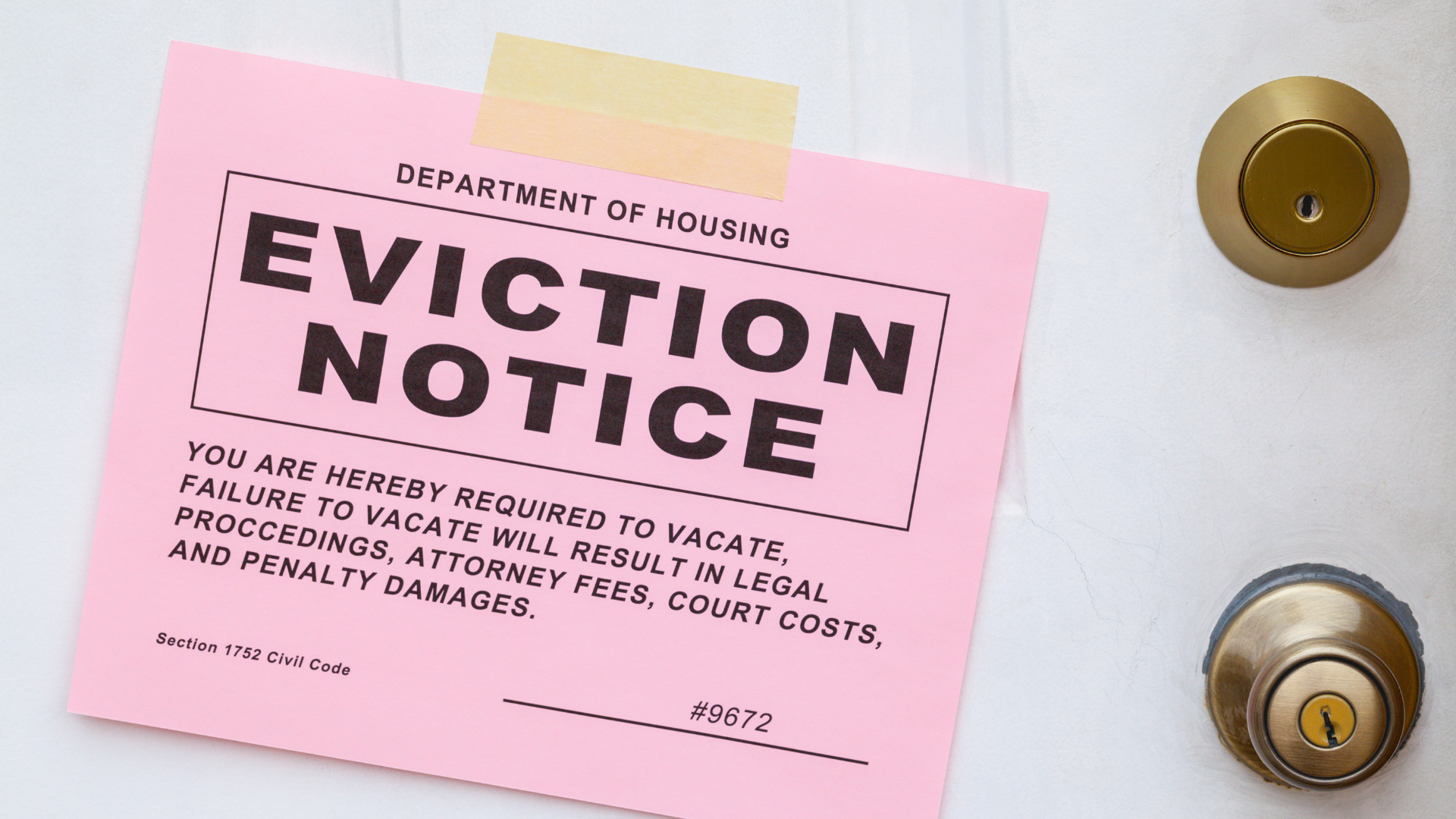
4. Issue a 3-Day-Notice
If deadlines pass, action must follow — without emotion.
In NJ, this typically means serving a formal notice to pay or quit (commonly referred to as a 3-day notice, depending on circumstances). This is not a threat — it is documentation.
Your notice should:
- Be delivered properly
- Reference the lease
- Include attorney contact information
RightWay Realtor® Tip: Use a clear subject line such as “Eviction Pending – Legal Notice” and include your attorney’s information. This alone often triggers resolution.
👉Related Reading: Should I Hire a Property Manager? 5 Signs It’s Time to Get Help
5. When Timelines Are Missed: Act Immediately
Once a tenant misses a stated deadline, hesitation works against you.
Delays weaken your case, reset expectations, and extend loss. The NJ system rewards landlords who follow procedure precisely and penalizes those who improvise.
👉 Related Reading: What Is an NJ Landlord Responsible For? 6 Things Most Owners Get Wrong
Final Thought
Evictions in New Jersey aren’t fast — but they are predictable.
Landlords who screen well, enforce consistently, communicate professionally, and escalate on time avoid most worst-case outcomes. The goal isn’t eviction. The goal is control of the timeline.
If you’re facing non-payment now, timing matters.
👉Curious about hiring management? Book a consultation using the link HERE.
👉Want more landlord resources? Read What Is an NJ Landlord Responsible For?
👉Want to know your asset's worth? Use our instant NJ home valuation tool.
Check out this article next